Lívia Gueissaz on Fashion, Culture and the Art of Conscious Living
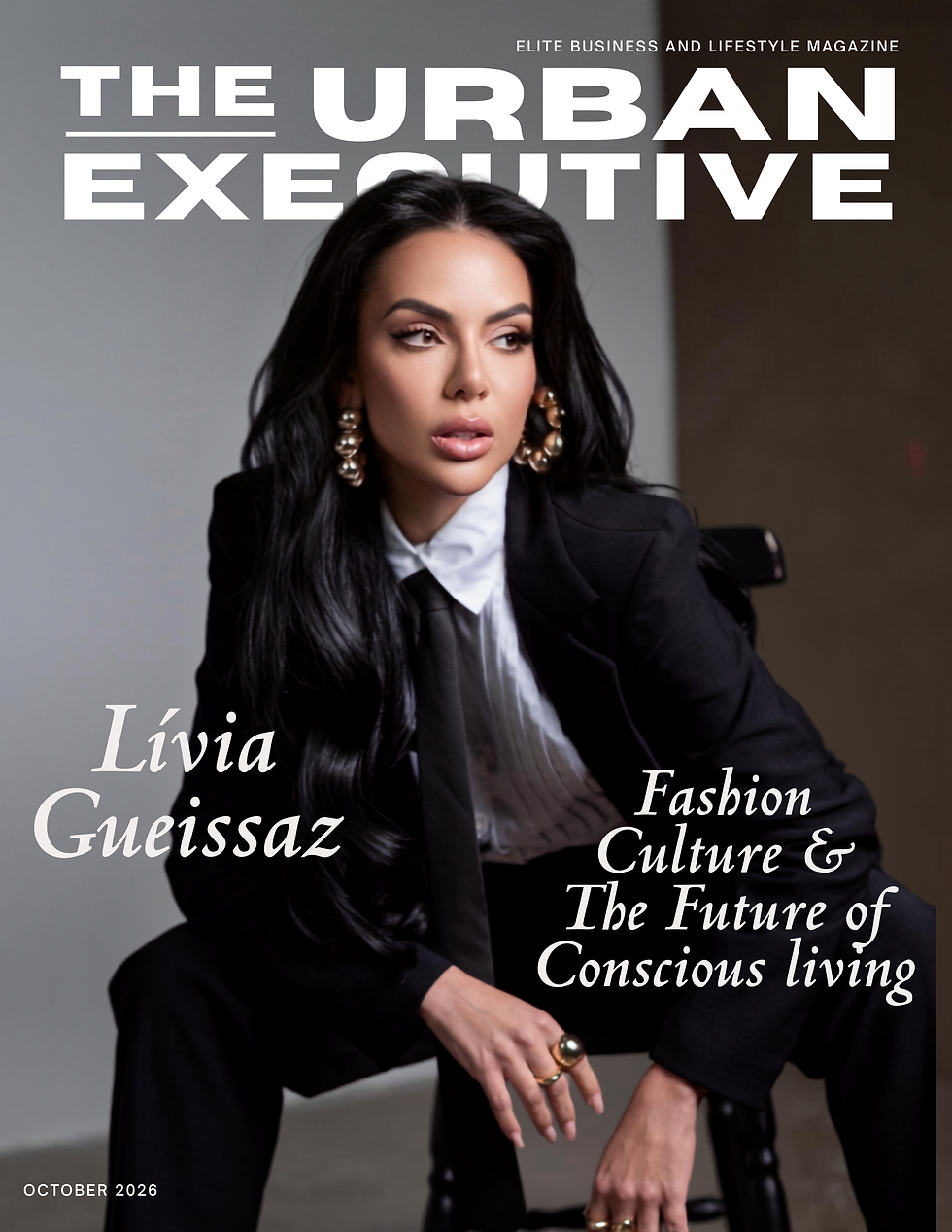
Lívia Gueissaz dicusses style, success, consumption and the art of choosing what deserves our attention
“I think it was the possibility of becoming someone slightly different without actually becoming someone else,” Lívia Gueissaz says of what first drew her to fashion. “Fashion can change your posture, your confidence, even the way you enter a room.”
Her interest has since moved well beyond the clothes. As a Fashion and Cultural Analyst, Gueissaz studies how style, consumer behaviour and identity reflect the social movements shaping contemporary life. At GPC International Life and Health, where she is Community Ambassador & Philanthropic Advisor and Head of Brand and Creative Strategy, the same lens turns to responsibility, fair trade, and the relationship between consumption and environmental ecosystems.
“Fashion tells you what a society desires, what it fears, what it considers successful and even what it wants to escape from,” she says. “Once you start looking at it that way, a dress is never just a dress.”
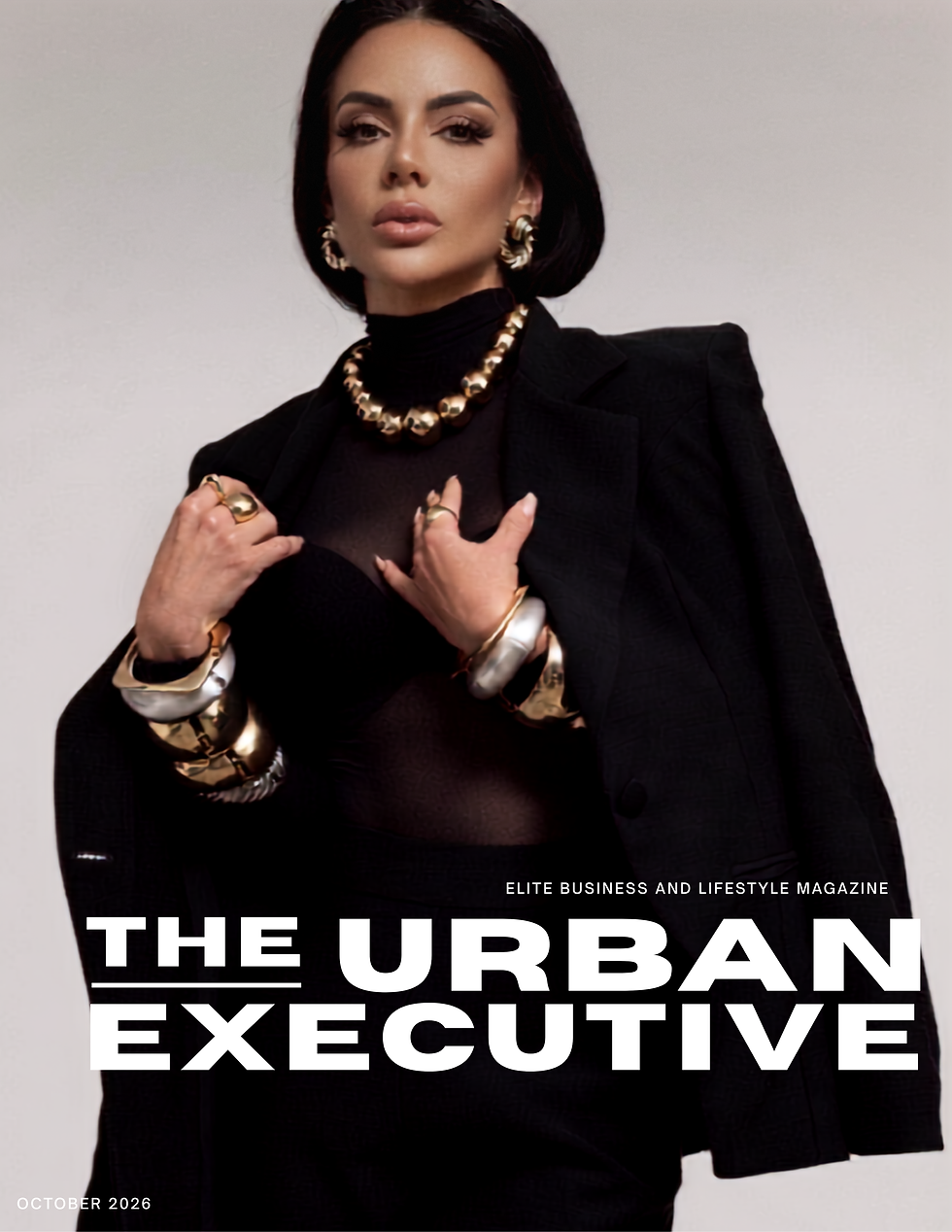
Finding a Language of Your Own
“Personal style begins when you stop dressing for approval.”
It is not, she is quick to add, an argument for minimalism. “I love fashion, I love beautiful things and I certainly don’t believe everyone needs to become a minimalist. But I do believe you should understand why you are buying or wearing something. The most stylish people I know aren’t necessarily wearing the newest thing — they have simply developed a visual language that belongs to them.”
In an age of endless recommendations, knowing what resonates with you, rather than what is merely put in front of you, becomes a form of style in itself.

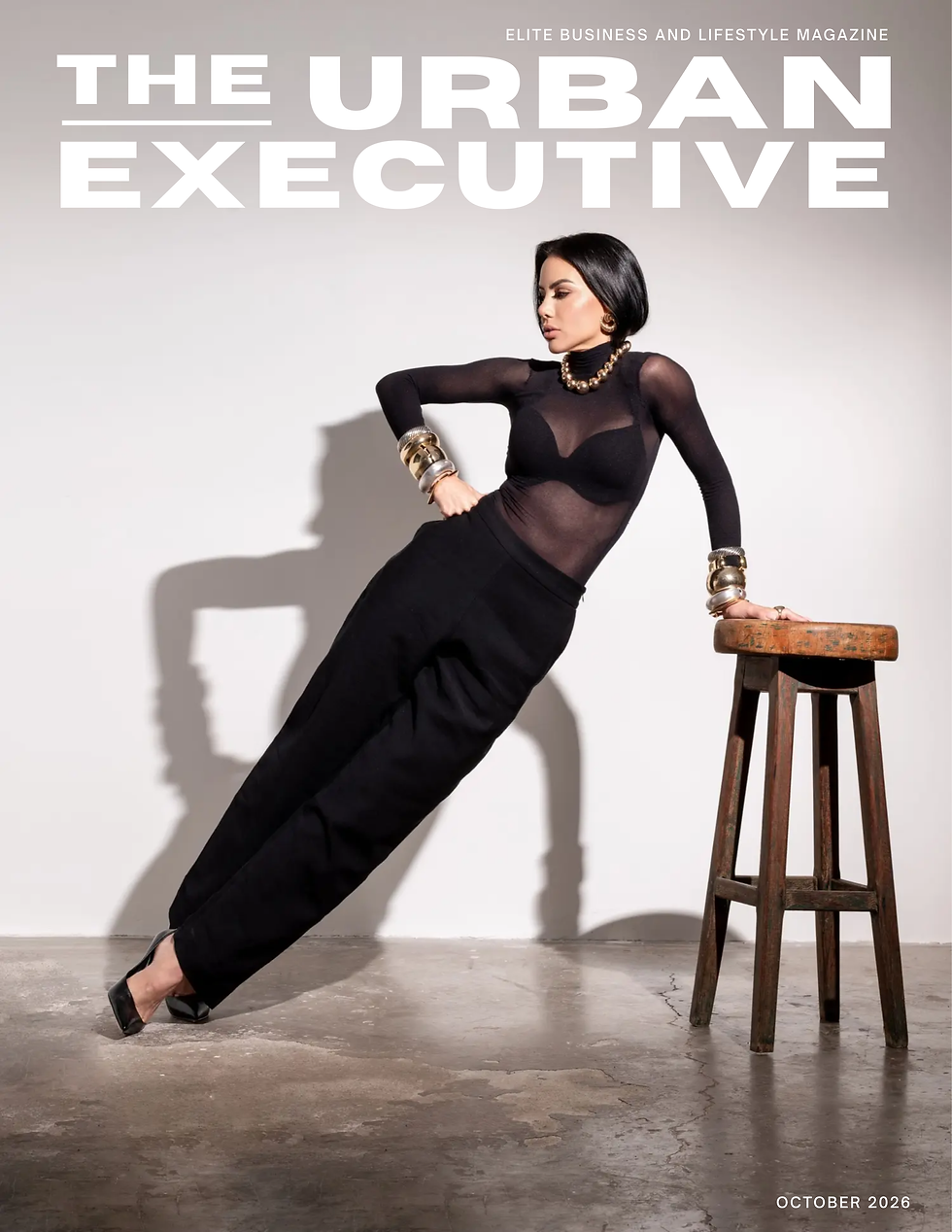
The New Meaning of Success
Her definition of success has changed along the way.
“When I was younger, success felt much more visible. You could almost make a checklist of it: achievement, recognition, the next opportunity, the next beautiful thing.”
Now it is quieter. “It is having choices. It is being able to say no. It is having work that interests me, people I care about around me, and enough curiosity left to change my mind. I’m much less interested in appearing successful than I am in building a life that actually feels successful.”
Beyond “Conscious” Consumption
Gueissaz is just as wary of easy definitions of conscious living.
“I would never describe myself as someone who has renounced consumption — that wouldn’t be honest,” she says. “I love fashion, cars, travel, design and beautiful objects. For me, conscious living is about asking better questions: Who made this? Where did it come from? Will I still care about it in ten years? What ecosystem or community sits behind what I am consuming?”
Her work at GPC International has made those questions concrete. “Sustainability can sound abstract until you understand that every product connects real people, resources, communities and environments. I’m interested in finding a better balance, not pretending that desire disappears.”
The future of fashion may not depend on choosing between beauty and responsibility, but on learning to hold both.
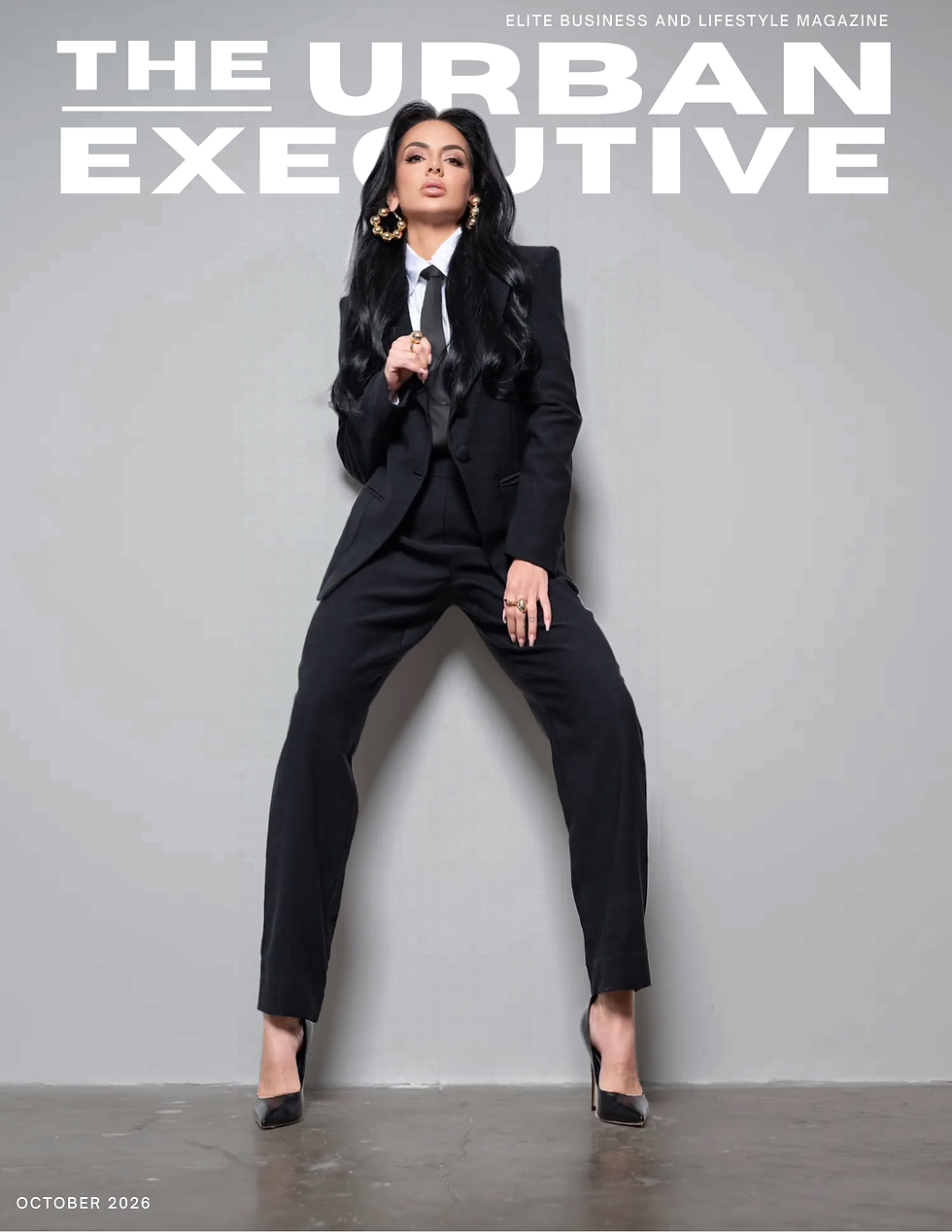
What Fashion Reveals About Us
Asked what her work has taught her about people, identity and culture, Gueissaz does not hesitate. “That we are contradictory — and I actually find that fascinating. Someone can care deeply about sustainability and still love luxury. Someone can be extremely modern professionally and very traditional culturally. Fashion makes those contradictions visible.”
It has also made her cautious about universal answers. “My work has also taught me to be careful about assuming that my definition of a ‘good choice’ applies everywhere. Culture, income, geography, opportunity and tradition all influence how people consume and live. Working around different communities has made me much more interested in listening before prescribing.”

Learning to Leave Space
What she is working on now is less about adding than about subtracting. “I’m unlearning the idea that more automatically means better. More clothes, more information, more visibility, more work, more opinions; we are constantly encouraged to accumulate.”
Don’t expect an empty wardrobe. “That doesn’t mean I suddenly want an empty wardrobe and one chair in my house,” she laughs. “I still love collecting. But I’m becoming much more interested in discernment: knowing what deserves space, whether that is an object, an opportunity or simply something demanding my attention.”
Beauty With Responsibility
Gueissaz is wary of defining her own legacy. “I’m uncomfortable with the idea of announcing what my legacy should be. I think other people ultimately decide what you contributed.”
But she knows what she hopes her work shows. “Beauty, pleasure and responsibility don’t have to be enemies. We can love fashion without treating clothing as disposable. We can appreciate luxury while asking where things come from. We can build businesses that generate returns while treating communities as partners rather than resources.”
She is not asking people to want less. She is asking them to be curious about why they want what they want. “If I can encourage people to be a little more curious about what sits behind the things they choose — while still enjoying life enormously — I think that would be a worthwhile contribution.”
For someone who studies fashion, culture and consumer behaviour, curiosity may be the most enduring form of style.

Lívia Gueissaz
Fashion and Cultural Analyst Community Ambassador & Philanthropic Advisor, GPC International Life and Health
Head of Brand and Creative Strategy, GPC International Life and Health
Wardrobe Credits
Black sheer bodysuit by Mugler Tailored wool trousers by The Row Black blazer by Saint Laurent (worn in selected images) Gold-tone statement necklace by Schiaparelli Mixed metal cuffs by David Yurman Gold rings by Pomellato Black leather pumps by Gianvito Rossi


Comments